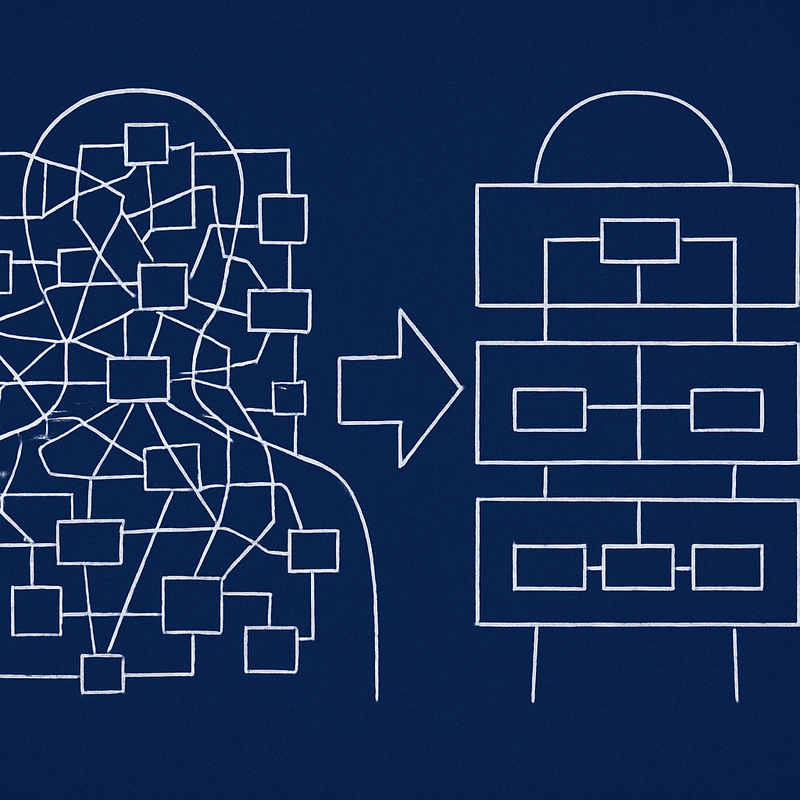
Picture this: four development teams, 25 applications, bi-weekly manual releases, and coordination meetings that take longer than the actual development work. Sound familiar? This was my reality when I inherited a solution architect role at a Dutch Water Management Agency. What followed was a twelve-month journey through TOGAF implementation that taught me more about organizational transformation than any certification ever could.
This article expands on the experiences I share in my video about practical TOGAF implementation. While the video tells the personal story of transformation struggles and breakthroughs, this post provides the detailed framework and implementation guidance you can apply in your own organization.
If you are a senior developer moving toward architecture roles, or an architect struggling to bridge the gap between framework theory and organizational reality, this framework will help you navigate that transition successfully.
The Reality Gap Between TOGAF Theory and Practice
Most TOGAF training focuses on memorizing phases and deliverables. Phase A: Architecture Vision. Phase B: Business Architecture. Phase C: Information Systems Architecture. You know the drill. But here is what they do not teach you: organizations are messy, political, and resistant to change in ways that no framework can fully predict.
When I started this transformation, I had TOGAF certification and fifteen years of architecture experience. I thought I understood what I was doing. I was wrong about almost everything that mattered.
The first mistake was assuming that following the framework systematically would produce systematic results. I created a 47-page architecture vision document. I built perfect diagrams in modeling tools. I scheduled stakeholder reviews and presented comprehensive analysis. The result? Blank stares, disengagement, and near-project failure.
The breakthrough came when I realized that TOGAF is not a compliance framework - it is a coordination framework. The value is not in perfect adherence to phases and deliverables. The value is in providing structure for organizational change that would otherwise remain chaotic and ineffective.
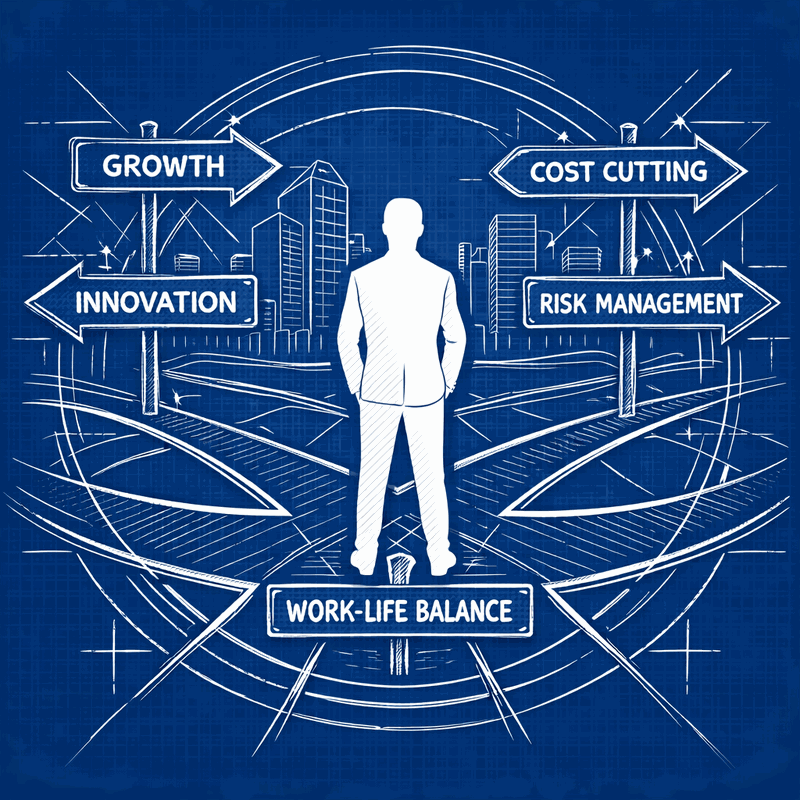
Understanding Architecture Levels as Decision Boundaries
The most practical insight from TOGAF implementation is understanding architecture levels as decision-making boundaries rather than organizational chart boxes. This concept transformed how I approached governance and ownership throughout the transformation.
Enterprise Architecture sets strategic governance - the high-level direction and constraints that enable organizational coherence. Application Architecture manages portfolio coordination - how systems interact and evolve together. Technology Architecture provides platform services - the infrastructure and tooling that enables development teams.
These are not hierarchical reporting relationships. They are decision-making domains with clear boundaries and responsibilities. When teams understand which decisions belong at which level, coordination overhead drops dramatically.
In our transformation, this meant the enterprise level established API versioning policies and security standards. The application level managed service boundaries and integration contracts. The technology level provided container orchestration and deployment automation. Teams could make decisions independently within their domain while maintaining organizational coherence.
The key insight is that decisions appropriate at one level become inappropriate at another. Enterprise governance should not dictate application implementation details. Technology platform choices should not drive business capability boundaries. Clear decision boundaries prevent scope creep and establish ownership without creating bureaucratic overhead.
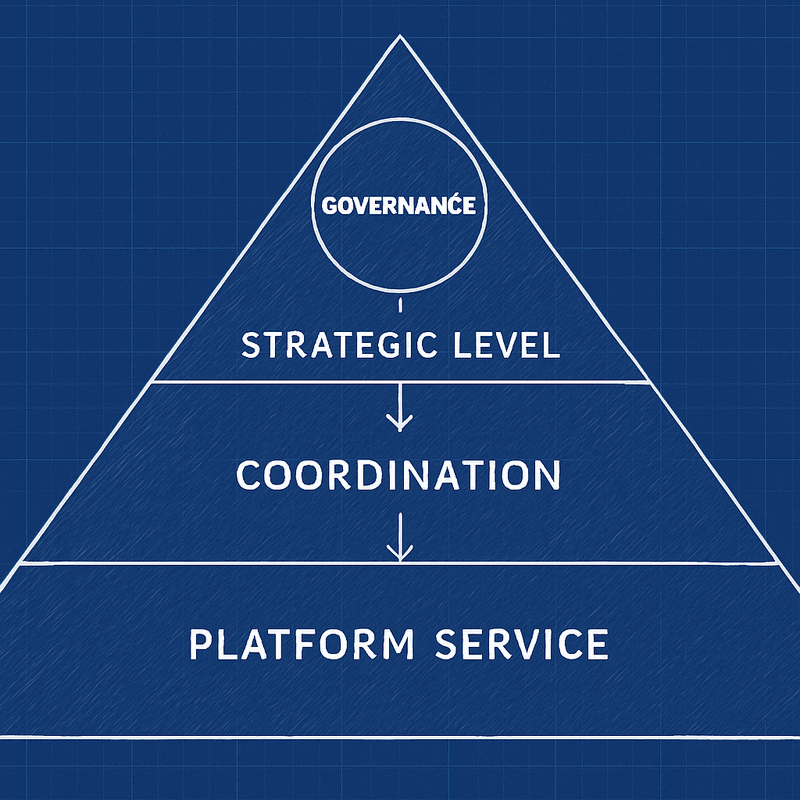
This boundary clarity enabled what I call "coordination without control" - teams could operate autonomously while contributing to organizational objectives. The framework provided structure without imposing rigid process requirements.
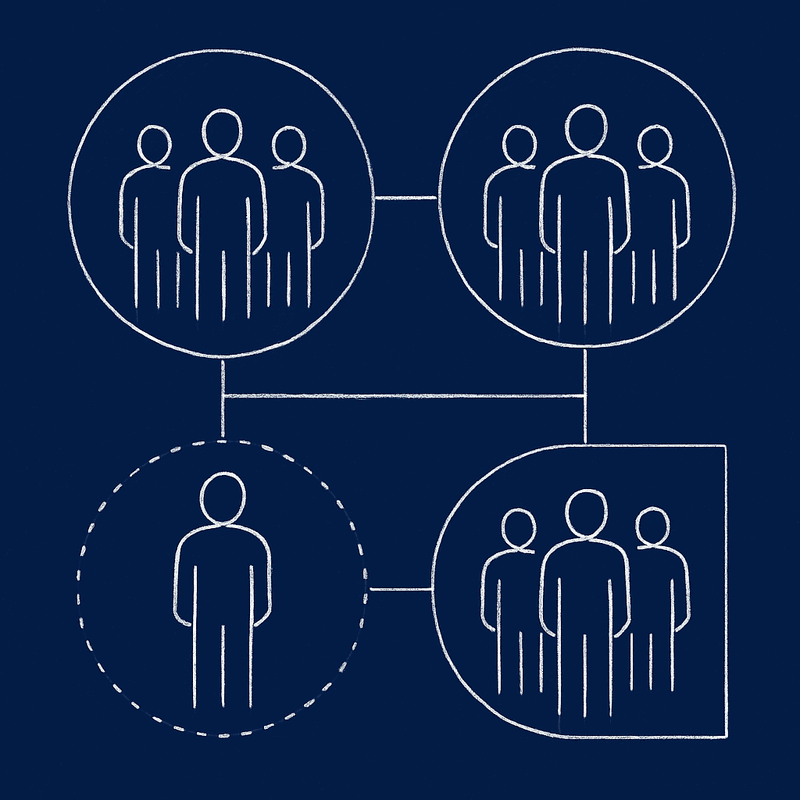
Selective Framework Application: The 20/80 Rule
Pure TOGAF implementation fails because organizational culture, constraints, and context vary dramatically. The breakthrough approach is selective framework application - apply 20% of framework capabilities that address 80% of organizational pain points.
This requires identifying your top coordination pain points first, then selecting framework elements that directly address those specific challenges. In our case, the primary pain points were:
- Manual deployment processes creating platform team bottlenecks
- Unclear service ownership leading to coordination wars
- No versioning policies causing integration fragility
- Stakeholder misalignment on transformation priorities
Rather than implementing comprehensive TOGAF governance, I focused on four specific framework elements: Architecture Vision (Phase A) for stakeholder alignment, Business Architecture (Phase B) for service ownership, Information Systems Architecture (Phase C) for integration contracts, and Opportunities & Solutions (Phase E) for transformation roadmap.
We skipped detailed current-state analysis, comprehensive gap analysis, and formal architecture review boards. These elements add value in mature architecture organizations, but they create overhead that kills momentum in transformation contexts.
The selective approach delivered transformation results within twelve months while maintaining team engagement and stakeholder support. Full TOGAF compliance would have taken years and likely failed due to organizational resistance.
This is not about cutting corners - it is about applying framework intelligence to organizational reality. The framework provides options, not requirements. Your job is selecting the right options for your context.

Translation Documents Over Technical Specifications
One of the most important lessons from this transformation is that strategic architecture documents serve as translation mechanisms between business strategy and technical direction, not as technical specifications.
Business stakeholders and technical teams speak different languages. Business thinks in terms of capabilities, outcomes, and competitive advantage. Technical teams think in terms of systems, interfaces, and implementation constraints. Architecture documents bridge this gap by providing translation between these perspectives.
My initial 47-page document failed because it tried to be comprehensive technical specification. It included detailed system diagrams, technology stack decisions, and implementation timelines. Business stakeholders could not understand it. Technical teams found it too abstract to be useful.
The successful approach focused vision documents on "what pain you stop" rather than "what you want to build." Instead of describing target architecture, I described current coordination overhead and how systematic governance would reduce it. Instead of technical diagrams, I used analogies and before/after scenarios.
For business stakeholders: "This framework reduces deployment lead time from fourteen days to same-day, enabling faster response to operational requirements." For technical teams: "This establishes clear service boundaries and versioning policies, reducing integration debugging and coordination overhead."
The same transformation, described differently for different audiences, but connected through consistent strategic direction. Translation documents enable organizational alignment without requiring everyone to understand technical implementation details.
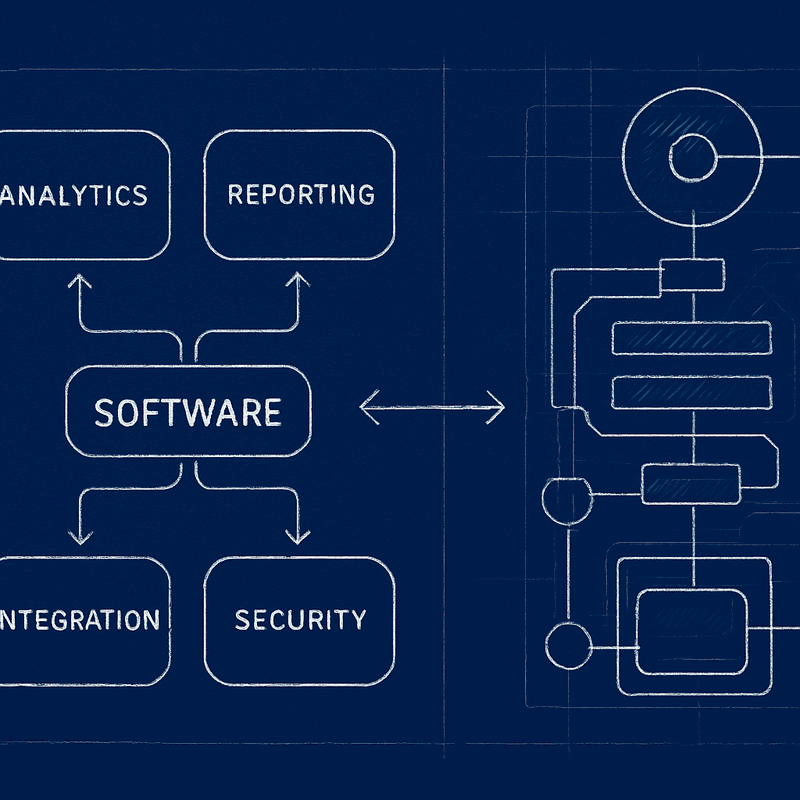
This translation approach proved essential during ownership battles mid-transformation. When Team B lead accused the approach of "making jobs harder, not easier," the response was not technical justification - it was demonstrating reduced coordination overhead through concrete before/after examples.

Implementation Journey: Phases A Through E in Practice
The actual implementation followed TOGAF ADM phases selectively, adapting each phase to organizational constraints rather than demanding organizational adaptation to framework requirements.
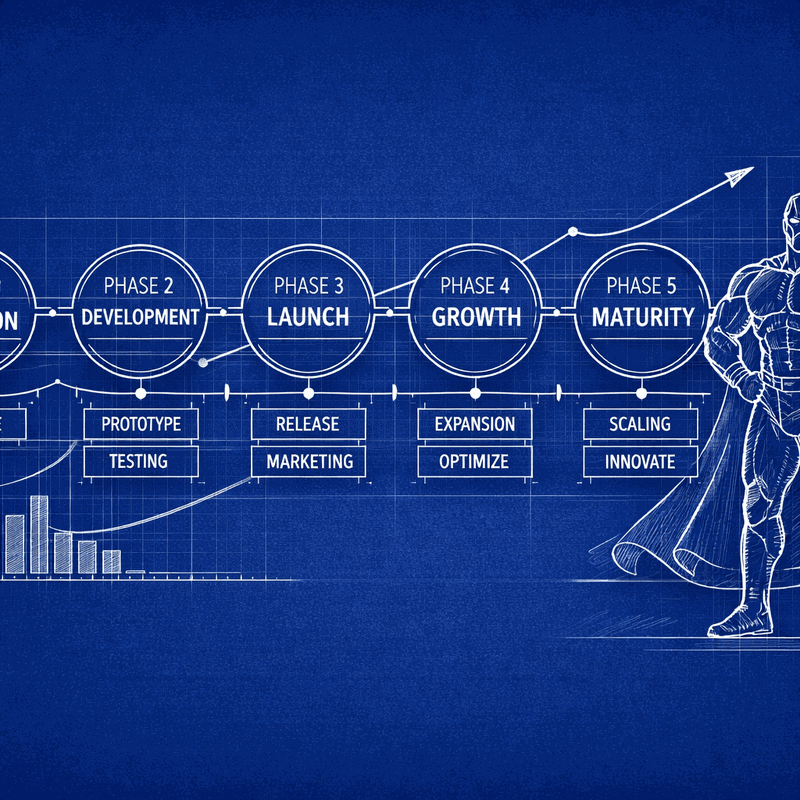
Phase A - Architecture Vision focused on stakeholder alignment through pain recognition rather than comprehensive current-state analysis. Instead of documenting existing architecture completely, I identified specific coordination bottlenecks that everyone experienced. The vision document was eight pages, not forty-seven, and focused on transformation outcomes rather than technical details.
Phase B - Business Architecture established service ownership boundaries across four teams managing 25 applications. This was not about business process modeling - it was about domain boundaries and API contracts. Teams needed to know what they owned, what they depended on, and how changes would be managed.
Phase C - Information Systems Architecture created versioned API contracts with two-team review process. This was the most contentious phase because it required teams to coordinate changes that previously happened in isolation. The key breakthrough was framing contracts as enablement rather than control - clear interfaces enable independence.
Phase D - Technology Architecture provided platform services enabling team independence rather than creating control bottlenecks. Container orchestration, deployment automation, and monitoring infrastructure became self-service capabilities rather than gated processes.
Phase E - Opportunities & Solutions established pilot programs with clear success metrics. Team A piloted independent deployment for 30 days with SLOs. This phase nearly failed when deployment issues triggered 9 PM support calls, but maintaining support boundaries while teams learned through struggle proved essential for long-term success.
The phases built on each other logically, but each delivered independent value. Teams could see progress at each step rather than waiting for comprehensive transformation completion. This incremental approach maintained momentum and stakeholder engagement throughout the twelve-month timeline.
Lessons from the Ownership Wars
Mid-transformation, establishing team domain boundaries and API ownership policies triggered what I call the "ownership wars" - teams resisted ownership enforcement and questioned whether architecture governance was enablement or bureaucracy.
The resistance was not technical - it was cultural. Teams had operated in informal coordination mode for years. Introducing formal contracts and ownership boundaries felt like imposed control rather than improved capability.
The breakthrough came from shifting approach from imposing rules to demonstrating value. Instead of enforcing ownership policies through organizational authority, I established versioned API contracts with two-team review process and created platform services that enabled independence.
Team A mastered self-service deployment in week three, then helped Team B figure it out. This peer-to-peer knowledge transfer proved more effective than top-down training or documentation. Teams adopted the approach because they experienced reduced coordination overhead, not because they were required to comply.
The key insight is that technical solutions require culture change, and culture change happens through demonstrated benefit rather than organizational mandate. Ownership battles are won by making team work easier, not by establishing architectural authority.
This lesson applies beyond TOGAF implementation to any architecture governance initiative. Teams will resist coordination frameworks that feel like imposed bureaucracy. Teams will adopt coordination frameworks that reduce their daily friction and enable greater autonomy.

The Pilot Crisis and Learning Through Struggle
Phase E implementation included Team A piloting independent deployment for 30 days with SLOs. Week two nearly derailed the entire transformation when deployment failures triggered 9 PM support calls and questioned whether autonomous team approach was fundamentally flawed.
The crisis moment was resisting the urge to intervene directly. Every instinct said to step in, fix the immediate problem, and restore stability. But intervention would have reinforced dependency rather than building capability.
Instead, I maintained support boundaries while teams learned through struggle. This felt like watching your college student struggle with independence - you want to help, but helping prevents learning that only comes through experience.
By week three, Team A figured it out. Week four, they helped Team B. Week six, both teams deployed more frequently than before without platform intervention. The initial struggles were learning, not system failure.
This experience taught me that transformation requires allowing failure within safe boundaries. The SLOs provided those boundaries - teams could struggle and fail without impacting production systems or organizational capability.
The pilot crisis became proof of concept success, but only because we maintained boundaries during the difficult learning period. This lesson applies to any architecture transformation: temporary increased chaos is necessary phase, not implementation failure.

Results and Organizational Impact
The transformation delivered quantifiable results within the twelve-month timeline:
- Lead time: 14 days to same-day deployment
- Deployment frequency: Bi-weekly releases to daily on-demand deployments
- Change failure rate: Manual coordination errors dropped significantly
- Self-service coverage: 85% of services deployed without platform team intervention
- Framework utilization: Approximately 20% of TOGAF applied selectively, sufficient for transformation
More importantly, teams transitioned from resistance to advocacy. The platform team evolved from bottleneck to enablement role. Coordination overhead that previously consumed more time than development work became background process managed through established contracts and self-service capabilities.
The phased approach provided natural project structure where each phase delivered independent value. Teams could see progress and experience benefits throughout transformation rather than waiting for comprehensive completion.
Pattern replicability became evident when other teams within the organization requested similar transformation support. The approach adapts to organizational constraints rather than demanding conformity, making it applicable across different team structures and technical contexts.

Framework Adaptation for Your Context
Your TOGAF implementation will differ from this experience because your organizational context, constraints, and culture are unique. The framework provides structure, but your judgment determines application.
Start by identifying your top three coordination pain points. Manual processes that should have been automated years ago. Cross-team interfaces without clear contracts. Stakeholder misalignment on technical direction. Focus framework application on addressing these specific challenges rather than pursuing comprehensive compliance.
Select TOGAF phases and deliverables that directly address your pain points. Skip elements that add overhead without solving immediate problems. You can always add framework complexity later as organizational maturity increases.
Expect six months of making things worse before things get better. Transformation requires temporary increased chaos as teams learn new coordination mechanisms and establish new working relationships. This is necessary phase, not implementation failure.
Plan for culture change alongside technical change. Teams will resist coordination frameworks that feel like imposed bureaucracy. Teams will adopt coordination frameworks that reduce daily friction and enable greater autonomy.
Your mileage may vary, but the selective application approach provides structure for adaptation rather than rigid process requirements. The framework serves organizational objectives, not the reverse.
Conclusion
TOGAF implementation success comes from understanding frameworks as coordination tools rather than compliance requirements. The value lies in providing structure for organizational change that would otherwise remain chaotic and ineffective.
Selective framework application - applying 20% of capabilities that address 80% of pain points - delivers transformation results while maintaining team engagement and stakeholder support. Perfect compliance is less important than practical progress.
Architecture levels function as decision-making boundaries that enable coordination without control. Translation documents bridge business and technical perspectives without requiring everyone to understand implementation details. Transformation requires allowing failure within safe boundaries while teams learn through guided struggle.
Your implementation journey will be unique to your organizational context, but the principles of selective application, boundary clarity, and culture change through demonstrated benefit apply universally.
Watch the video for the personal stories behind this framework: https://www.youtube.com/watch?v=2d_N8UbKuss
What cross-team interface do you own that lacks a formal contract? Share your coordination challenge in the comments - your experience might help others navigate similar transformation obstacles.
Resources
Watch the video for the personal stories behind this framework: https://www.youtube.com/watch?v=2d_N8UbKuss
What is one coordination pain point in your organization that systematic governance could address?