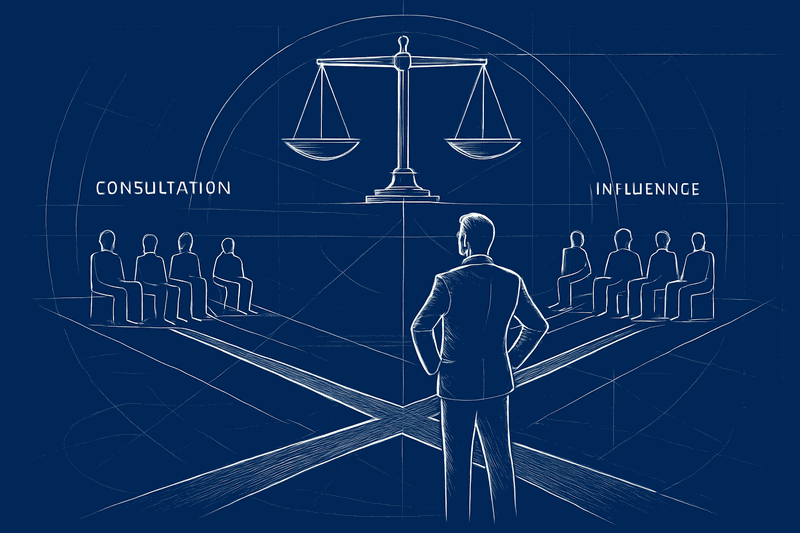
I was on every stakeholder list. I was consulted on every major decision. My documentation was comprehensive, my analysis thorough, my recommendations technically sound. And my actual influence? Zero.
This article expands on the tactical shifts that transformed me from a "menu item architect" - someone others choose to consult or ignore - into a decision partner who shapes choices before they crystallize. If you have ever wondered why your expertise does not translate to organizational impact, this framework will show you the difference between being consulted and being influential.
The Perfectly Documented Irrelevance
As a Solution Architect at a government agency, I had built what I thought was the perfect stakeholder engagement system. Comprehensive stakeholder maps with influence levels, regular touchpoints with key decision makers, and detailed documentation of every architectural decision. I was invited to governance meetings, copied on strategy emails, and formally consulted on every major technology selection.
The problem became clear during a major platform migration decision. I had prepared a detailed analysis comparing three options, complete with risk assessments, cost projections, and implementation timelines. The decision maker thanked me for the thorough analysis, said they would take it under advisement, and then selected the option I had rated as highest risk.
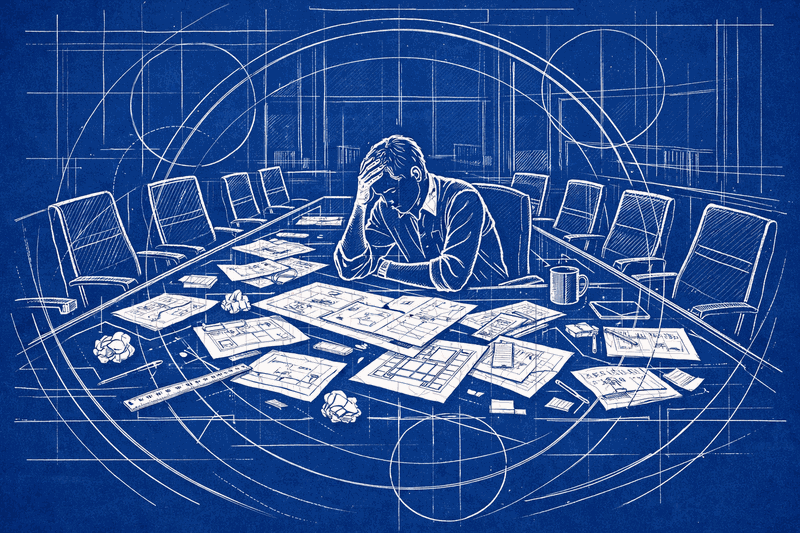
When I asked about the rationale, they explained that the decision had been made weeks earlier based on vendor relationships and budget constraints I had not been aware of. My consultation was a formality - a checkbox to check that said "architecture was consulted." I was not brought in to shape the decision. I was brought in to validate it.
The Menu Item Architect Trap
This experience taught me about what I now call the Menu Item Architect - someone who is formally consulted but not actually influential. Like items on a restaurant menu, they are presented as options but do not influence what gets ordered. The restaurant succeeds whether customers choose the salmon or the steak. Menu items wait to be selected.
Here are the warning signs that you might be a menu item:
Process Participation Without Outcome Influence: You are included in stakeholder meetings, but decisions feel predetermined. Your input is gathered but rarely adopted.
Late-Stage Consultation: You are brought in after options have been narrowed, asked to validate rather than generate alternatives.
Documentation Over Conversation: Your primary interaction with decision makers is through formal reports rather than ongoing dialogue.
Technical Focus Without Business Context: You provide technical analysis but lack visibility into budget constraints, political considerations, or strategic priorities that actually drive decisions.
The menu metaphor is visceral because it captures the passivity. Menu items do not choose what gets ordered - they wait to be selected. Being on the menu is not the same as being the chef who shapes what options exist, or the host who influences where people sit.
But unlike actual menus, architects can change their positioning. The question is how.
The Unsolicited Advice Breakthrough
Six months later, I overheard a conversation about a major infrastructure decision happening in a meeting I was not invited to. Based on technical debt from a similar decision years earlier, I had strong opinions about the risks they were considering. But I had not been asked.
The normal behavior would have been to wait for the consultation request. Instead, I broke pattern. I sent an unsolicited email to the decision maker with a one-page analysis of the risks I saw, based on our previous experience. I did not wait to be asked. I took a position.
The result surprised me. I got invited to the decision meeting. My analysis shaped the final approach. The decision maker later told me: "I did not know you had opinions on this. You never said anything before."
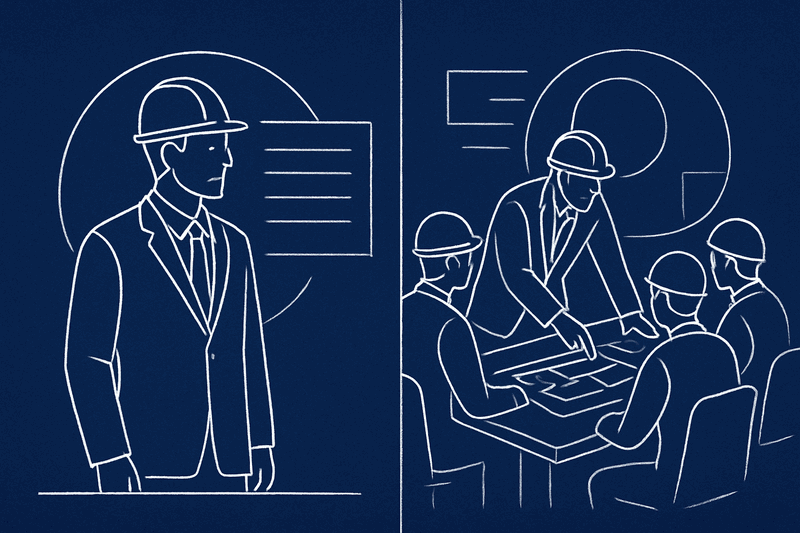
That comment was revealing. I had trained people that I only spoke when asked. Waiting to be consulted meant only being consulted on what others thought I should see. Taking positions and giving unsolicited advice signaled that I was a decision partner, not a validation resource.
Building Architectural Influence: Three Tactical Shifts
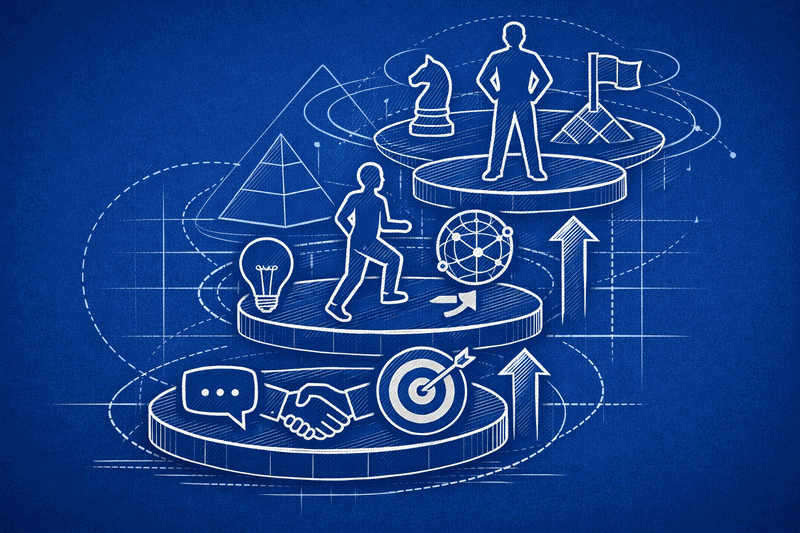
The transformation from menu item to decision maker requires changing how you engage before formal consultation processes begin. Think of it like earning a seat at the table - you get that seat not by waiting for an invitation to dinner, but by showing up when the meal is being planned.
Shift 1: Give Unsolicited Advice
Stop waiting to be asked. When you have relevant experience or see risks others might miss, share your perspective proactively. This does not mean overwhelming people with opinions on everything. It means taking positions on decisions where your expertise creates genuine value.
The key is making it easy to consume. One-page analyses work better than comprehensive reports. Focus on the decision at hand, not the broader architectural implications you could explore.
Shift 2: Engage Stakeholders, Do Not Map Them
Stakeholder mapping creates distance - you analyze them rather than building relationships with them. Instead of mapping influence levels, build ongoing dialogue. Instead of documenting their positions, understand their constraints.
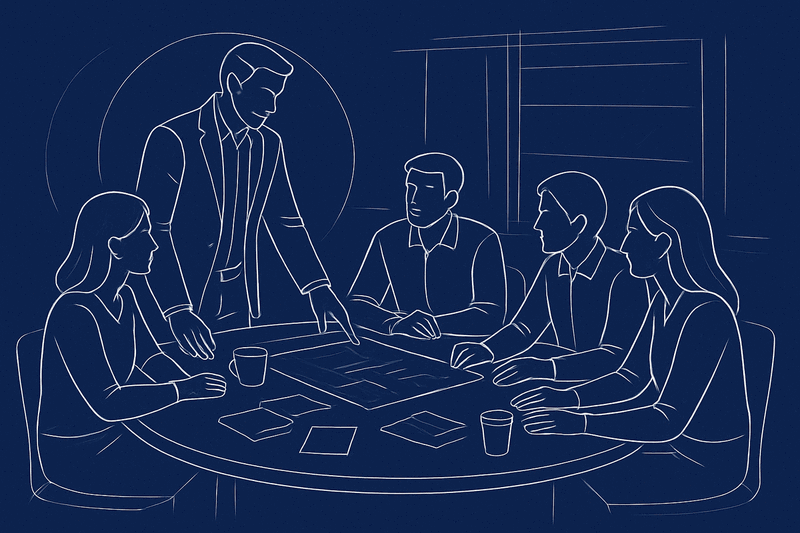
This means shifting from formal consultation to informal conversation. Coffee meetings where you understand budget pressures. Hallway discussions where you learn about political considerations. Building context about why decisions get made, not just what decisions need to be made.
Shift 3: Take Positions Early
Menu items wait to be selected. Decision makers shape what options exist. When you see early signals about upcoming decisions, engage before the options are defined. Your goal is to influence what gets considered, not just which option gets chosen.
This requires developing early warning systems - understanding planning cycles, budget processes, and strategic initiatives before they become formal projects requiring architectural consultation.
The Transformation Results
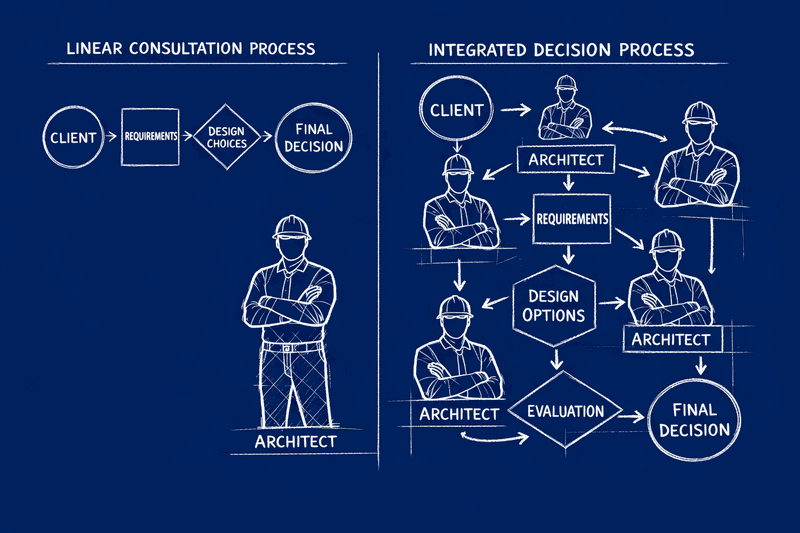
After implementing these shifts, my participation in early-stage decisions increased from roughly ten percent to sixty percent. More importantly, my recommendation adoption rate changed from "rarely" to "usually with modifications." I was no longer being consulted after decisions were made - I was helping shape what decisions got made.
The change was not just in outcomes but in how others perceived my role. Instead of being the architect who validates technical decisions, I became the architect who helps think through technical implications before decisions crystallize.
This approach works because it addresses the fundamental problem: by the time formal consultation happens, the real decision-making window has often closed. Influence is built in the informal conversations, the early planning sessions, and the moments when people are still figuring out what questions to ask.
Implementation Framework
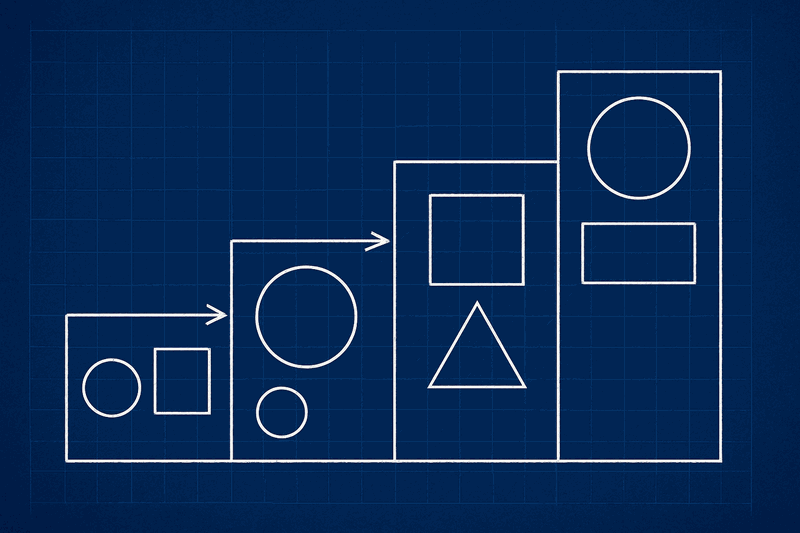
To shift from menu item to decision maker, start with an influence audit of your current situation:
Decision Inventory: List the major decisions in your area over the past six months. For each one, identify when you were brought in (early planning or late validation) and whether your recommendations were adopted, modified, or ignored.
Early Warning Development: Identify the planning cycles, budget processes, and strategic initiatives that generate the decisions you want to influence. Map when these processes start, who is involved in early stages, and how you can develop visibility into them.
Relationship Investment: Choose three key decision makers and shift from formal consultation to ongoing dialogue. This means understanding their constraints, priorities, and decision-making context beyond the specific technical questions they bring to you.
Position Taking Practice: Identify one current decision where you are likely to be consulted but not influential. Before the formal consultation, provide unsolicited input that shapes what options get considered.
The goal is not to insert yourself into every decision, but to be proactively engaged in the decisions where your architectural expertise can genuinely shape better outcomes.
Conclusion
The difference between being consulted and being influential comes down to timing and positioning. Menu items wait to be selected. Decision makers shape what options exist. If you are consistently brought in late and rarely adopted, you are operating as a menu item regardless of your technical expertise.
The tactical shifts - giving unsolicited advice, engaging stakeholders rather than mapping them, and taking positions early - transform you from a validation resource into a decision partner. This is not about politics or manipulation. It is about ensuring your architectural expertise shapes decisions when that expertise can make the biggest difference.
Your technical credibility opens doors. But influence is built in the conversations that happen before those doors are officially opened.
The next time you find yourself being consulted on a predetermined decision, ask yourself: am I an architect or a menu item? Then identify one decision currently in progress where you can shift from waiting to be asked to taking a position that shapes what gets considered.
That shift from reactive consultation to proactive engagement is what transforms architectural expertise into organizational influence.
Resources
- Related: Why Your Perfect Architecture Keeps Getting Ignored (The Political Skills They Don't Teach)
- Video: https://www.youtube.com/watch?v=q3YHKKRW08g
Watch the video for the personal stories behind this framework: https://www.youtube.com/watch?v=q3YHKKRW08g
What is one decision where you shifted from being consulted to being influential? How did that change your approach to stakeholder engagement?