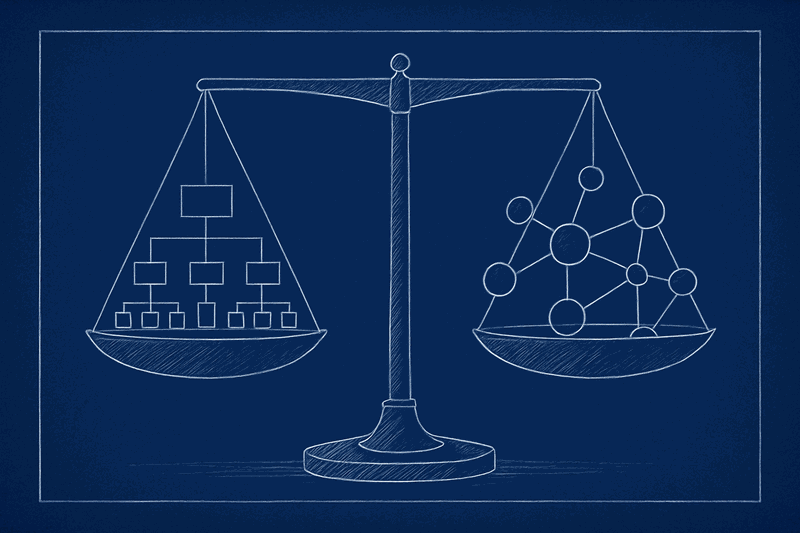
If you have ever created technically excellent architecture that somehow never gets implemented, this article is for you. The gap between architectural competence and organizational impact often comes down to one missing skill that no framework teaches: political awareness.
In my twenty years as an enterprise architect, I have seen brilliant technical work gather dust while mediocre solutions get adopted. The difference was not technical quality. It was understanding how decisions actually get made in organizations - and positioning yourself accordingly.
This expands on my video about the political skills they do not teach in TOGAF, where I share the framework that changed how I approach every architecture initiative. Watch the video for the personal stories behind these concepts: https://www.youtube.com/watch?v=KND8WnkL974
The Gap Between Approval and Implementation

The most frustrating moment in any architect's career happens when you realize that formal approval does not equal actual influence. You have stakeholder sign-off. Leadership approved your proposal. The architecture review board gave their blessing. Every process box is checked.
Six months later, nothing has changed.
This pattern reveals a fundamental misunderstanding about how organizations actually work. Architecture frameworks like TOGAF teach process and methodology, but they assume influence exists. They tell you to engage stakeholders, create governance structures, and follow approval processes. What they do not teach is how to identify who actually makes decisions and what they actually care about.
The problem is not your technical competence. The problem is political awareness - understanding the hidden dynamics that shape organizational outcomes. This is not about manipulation or office politics. This is about professional competence in navigating complex human systems.
Most architects discover this gap the hard way. You create comprehensive documentation, follow every prescribed process, and wonder why your recommendations get ignored. You blame execution, create more detailed plans, and escalate through formal channels. Nothing changes because you are working within the wrong framework entirely.
The real decisions are being made in meetings you are not invited to, by people who are not on your stakeholder map, based on priorities you do not understand. Political awareness means making these invisible dynamics visible.
Understanding the Power Map
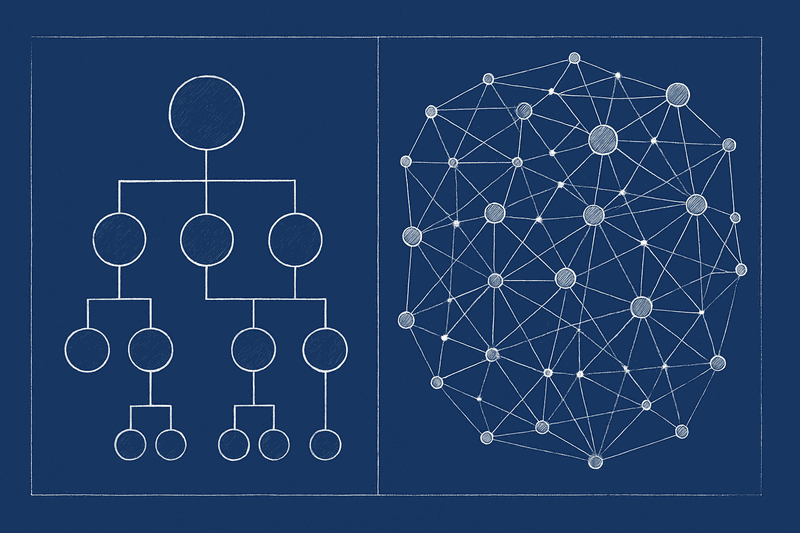
The first concept that changes everything is distinguishing between your stakeholder map and your power map. Your stakeholder map shows who is formally involved in an initiative. Your power map shows who actually controls whether it succeeds.
These are not the same thing.
For any architecture initiative, ask yourself: "If I get this stakeholder to say yes, will anything actually change?" If the answer is no, they are on your stakeholder map but not your power map. The power map reveals where real influence lies - who controls budgets, priorities, and political capital.
This distinction explains why formal approval often does not lead to actual change. You may have engaged all the right stakeholders according to the framework, but you missed the people who actually decide how resources get allocated and priorities get set.
Consider the difference between the official org chart and what I call the "real chart." The org chart shows formal reporting relationships. The real chart shows how influence actually flows - who listens to whom, who has political capital, who controls informal power. Architecture frameworks teach you to work with the org chart. Political awareness means understanding the real chart.
The diagnostic questions for power mapping are straightforward but revealing:
- Who actually decides? Not who approves - who decides.
- What do they actually care about? Not what they say - what they do.
- Where are decisions really made? Not formal governance - actual decisions.
The real chart is never fully knowable, but partial knowledge is still valuable. Even understanding that a gap exists between formal and actual influence changes how you approach every initiative.

Building Your Mandate
The second concept is understanding that mandate is earned, not granted. Mandate is the credibility and authority that makes your recommendations carry weight. With mandate, architecture decisions stick. Without mandate, architecture is just documentation.
This challenges a common assumption among architects: that technical correctness should be sufficient for adoption. In reality, mandate comes from demonstrating value, building relationships, and understanding what decision-makers actually care about. It is built through small wins before attempting large initiatives.
I learned this lesson when I needed to establish API ownership standards across four teams. My previous top-down approach had failed despite having formal authority to create the standards. This time, I spent two weeks understanding the political landscape first.
I asked different questions: "Who actually decides how these teams work? Who controls their priorities? Who do team leads listen to?" I discovered that one technical director had informal but significant influence over all four teams - not through formal authority but through trust and relationships built over years.
Instead of creating standards and pushing them down, I built a relationship with that technical director first. We co-created the API standards together, incorporating their insights and concerns. They became the advocate for the approach. The standards were adopted not because they were architecturally correct, but because the right person was championing them.
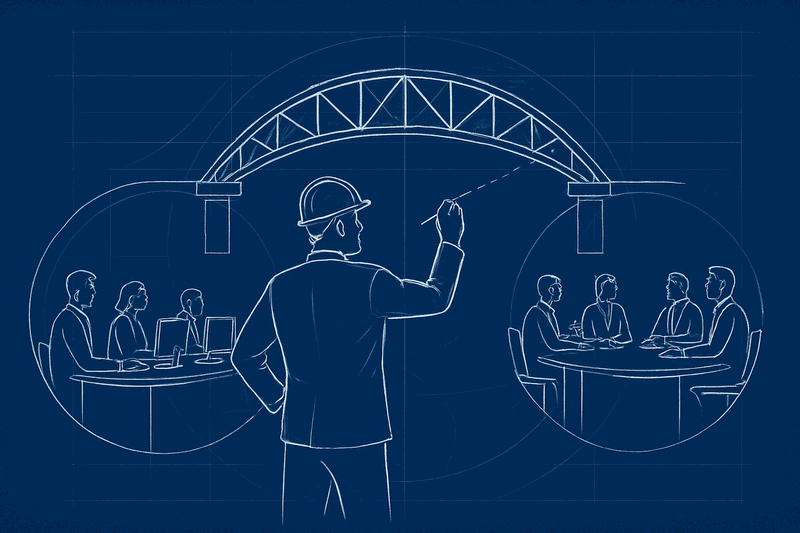
This is what I mean by fighting to get a seat at the table where decisions actually get made. Do not be a menu item - something that gets chosen or rejected by others. Be part of the conversation that shapes the choices available.
Political influence is not manipulation. It is understanding how decisions actually happen in your organization and positioning yourself appropriately within that reality.
Recognizing Underwater Processes
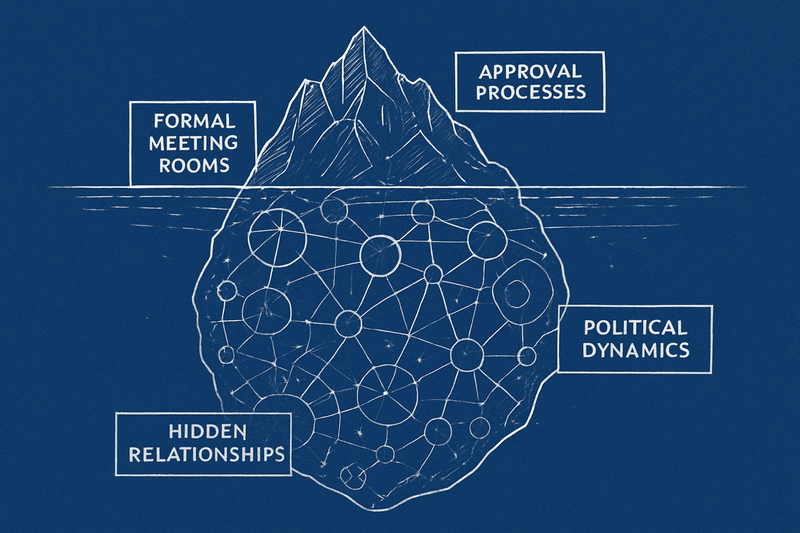
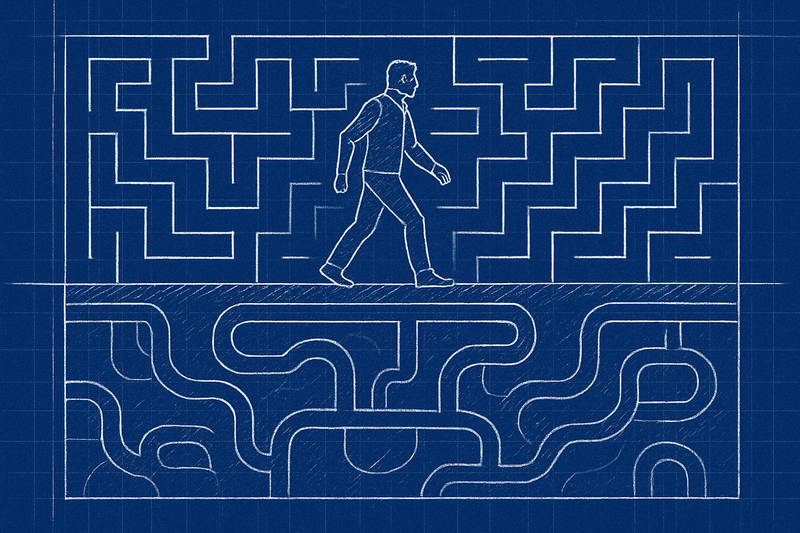
The third concept is what I call underwater processes - the political dynamics, historical relationships, personal agendas, and budget battles that shape organizational decisions but are never discussed in formal meetings.
Understanding underwater processes explains the gap between "what should happen" and "what actually happens." It makes invisible constraints visible and helps you understand why technically similar initiatives can have completely different outcomes.
When I analyzed my successful versus failed transformation initiatives, I found that failed initiatives had something in common: there were underwater processes - political dynamics that shaped outcomes regardless of architecture quality. Budget allocation decisions made months earlier, executive relationships that created hidden alliances or conflicts, historical tensions between departments that influenced every interaction.
These factors are genuinely outside architecture's reach, but acknowledging them changes your approach. Instead of pretending these dynamics do not exist, you factor them into your strategy. You ask trusted colleagues: "What is actually going on here that I might not be seeing?"
Think of it like the difference between chess and checkers. Technical architecture is like checkers - the moves are straightforward, pieces move predictably. Organizational architecture is like chess - multiple pieces with different capabilities, complex interactions, and the need to think several moves ahead about how others will respond.
Political awareness is about thinking beyond "what is the right architecture?" to "how will different stakeholders respond, and how do I position for that?" Chess has clear rules, but organizational politics has hidden rules that vary by context. Your job is to understand enough of those rules to be effective.
Sometimes the right move is not to push harder but to acknowledge constraints and adapt. Political awareness includes recognizing when you lack influence and what to do about it.
The Political Awareness Diagnostic
Now you have a framework for assessing your political awareness in any situation. This diagnostic helps you identify gaps before they become problems.
Red flags that suggest you may lack political awareness:
- Formal approval does not lead to change
- You are surprised by decisions that affect your work
- You hear about important discussions after the fact
- Your recommendations are praised but not implemented
- You are not invited to certain meetings where your work is discussed
Questions to ask yourself:
1. Who actually decides? Not who approves - who decides.
2. What do they actually care about? Not what they say - what they do.
3. Where are decisions really made? Not formal governance - actual decisions.
4. What underwater processes are shaping this initiative?
5. What is my current mandate? Be honest.
Building political awareness as a professional skill:
- Map power relationships, not just stakeholder relationships
- Understand what decision-makers actually care about
- Build mandate through demonstrated value and small wins
- Acknowledge underwater processes instead of pretending they do not exist
- Position yourself to be part of conversations, not just deliverable creation
This is not about becoming political in a manipulative sense. This is about developing professional competence in navigating complex human systems. Technical excellence combined with political awareness creates architecture that actually gets implemented.
Implementation Strategy

The most practical way to start developing political awareness is through the two-map exercise. For your current or most recent architecture initiative, create two separate diagrams.
First, draw your stakeholder map - everyone who is formally involved in the initiative. Include project sponsors, architecture review board members, team leads, business analysts, and anyone else in the official process.
Second, draw your power map - everyone who actually controls whether this initiative succeeds. Ask yourself: "If this person said no, would the initiative stop?" Include budget holders, informal influencers, technical directors with team loyalty, and anyone whose opposition could derail progress.
Compare the two maps. If they are significantly different, you have identified a political awareness gap. The people who appear on your power map but not your stakeholder map represent missed opportunities for building support. The people who appear on your stakeholder map but not your power map may be consuming your time without providing real influence.
Common patterns that emerge from this exercise:
- The Formal Sponsor vs. The Real Sponsor: The person who officially sponsors your initiative versus the person whose priorities actually drive resource allocation
- The Approval Authority vs. The Implementation Authority: Who can say yes to your proposal versus who can make teams actually follow it
- The Visible Opposition vs. The Hidden Opposition: Stakeholders who openly challenge your approach versus those who undermine it through other channels
Once you have identified these gaps, you can develop specific strategies for each relationship. Building mandate requires understanding what each power holder actually cares about and demonstrating value in terms they recognize.
Measuring Political Effectiveness
Political awareness is not just about understanding dynamics - it is about changing outcomes. You can measure your political effectiveness through specific indicators that show whether your influence is growing or shrinking.
Leading indicators of growing political influence:
- You are invited to meetings where decisions about your work are made
- People seek your input before making technology choices that affect your architecture
- Your recommendations are implemented without requiring formal escalation
- You hear about important changes before they are announced publicly
- Other architects ask for your advice on navigating organizational challenges
Lagging indicators of successful political positioning:
- Architecture initiatives are adopted faster and with less resistance
- Teams proactively align with your architectural guidance
- Leadership references your work in strategic discussions
- Your role expands to include more strategic responsibilities
- You are asked to lead initiatives outside your formal domain
The goal is not to become a political operator but to become an architect whose technical recommendations carry weight because you understand the human systems that determine adoption.
Remember that political awareness is a learnable skill, not an innate talent. Some architects find this uncomfortable initially, and that reaction is valid. The discomfort often comes from associating "political" with "manipulative." But understanding how decisions actually get made in your organization is simply professional competence.
Conclusion
Technical excellence in architecture means nothing if you cannot identify who actually makes decisions and what they actually care about. Political awareness is not an optional skill for senior architects - it is the difference between creating documentation and creating change.
The three concepts that transform your effectiveness are understanding the power map versus the stakeholder map, building mandate through demonstrated value, and recognizing underwater processes that shape outcomes beyond architecture's direct reach.
This is not about becoming manipulative or abandoning technical standards. This is about developing the professional competence to navigate complex human systems so your technical expertise can actually create organizational impact.
Your technical skills got you into architecture. Political awareness will determine whether your architecture gets implemented.
Watch the video for the complete stories behind these frameworks and specific examples of how political awareness changed outcomes in real transformation initiatives: https://www.youtube.com/watch?v=KND8WnkL974
What was the moment you realized that formal approval did not mean actual influence? Share your experience in the comments - these stories help all of us understand the patterns better.
Resources
- Video: https://www.youtube.com/watch?v=KND8WnkL974
- Related: I Applied TOGAF to 4 Teams - Here's What Actually Worked
The gap between technical competence and organizational impact often comes down to understanding how decisions actually get made. Political awareness is the missing skill that transforms architects from documentation creators into change agents.
When did you first realize that the real decisions were being made somewhere else? What changed when you started mapping power instead of just stakeholders?