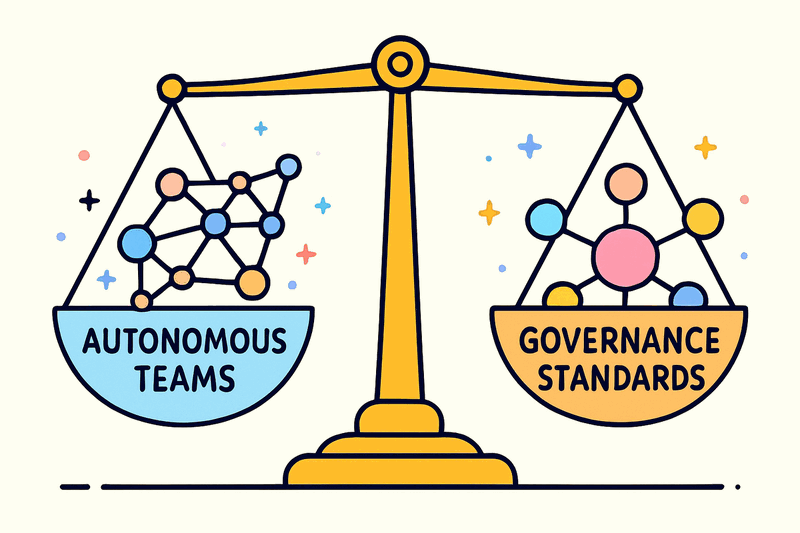
Have you ever implemented an architecture pattern that worked perfectly at your previous organization, only to watch it fail spectacularly in your new role? The technical approach was identical. The stakeholders seemed engaged. Yet somehow, nothing happened.
This is not about technical competence or framework selection. This is about organizational physics - the invisible rules that govern how decisions actually get made and implemented in your organization. Understanding these rules is the difference between architecture that lands and architecture that gathers dust in document repositories.
In this guide, I will walk you through two fundamental organizational decision-making models: the Polder Model (consensus-based) and the Hierarchical Model (mandate-based). More importantly, I will show you how to diagnose which model your organization actually uses and adapt your architectural approach accordingly.
The Pattern That Worked Everywhere Else
When I joined the Dutch Water Management Agency as a Solution Architect, I brought with me a governance pattern for API ownership that had worked successfully at every previous organization. Clear ownership boundaries, defined decision rights, explicit escalation paths. Textbook architecture governance.
I rolled out the governance model with what I thought was standard communication: here are the rules, here is how decisions get made, here is the escalation path. I expected teams to follow the defined process, just as they had in my previous roles at more hierarchical organizations.
Nothing happened.
Teams acknowledged the governance model in meetings. They nodded when I explained the process. But they continued operating exactly as before. No explicit resistance - just quiet non-adoption. Decisions that should have been made in days took weeks because everyone's opinion needed to be heard, discussed, and genuinely considered.

I was frustrated. The pattern was not wrong - it was designed for a different organizational physics. The governance model assumed mandate existed, that someone could say "do it this way" and it would happen. But in the Dutch context, mandate does not really exist. Every stakeholder expects their perspective to be genuinely considered before any decision moves forward.
This experience taught me that organizational culture is an architectural constraint just as real as technical limitations or budget restrictions. Ignoring it guarantees failure, regardless of how elegant your framework might be.
Understanding the Polder Model
The term "Polder Model" comes from Dutch water management, where all affected parties must agree on dike maintenance and flood protection measures. When everyone's land is at risk, everyone gets a voice in the solution. This consensus-driven approach has shaped Dutch organizational culture for centuries.
In enterprise architecture, the Polder Model manifests as distributed decision-making. Think of it like designing a distributed system - no single node has ultimate authority. Decisions require consensus across multiple nodes. The system is resilient because everyone has bought into the approach, but it is slower because coordination overhead is significant.
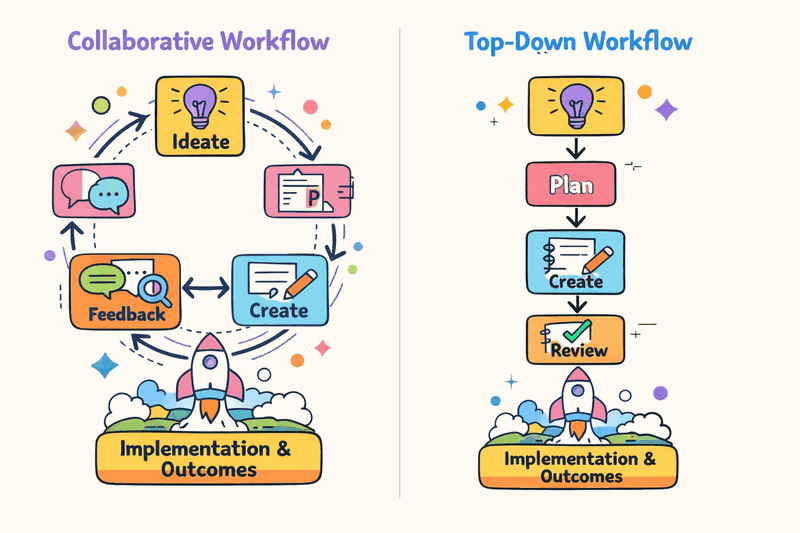
Six months after my initial failure, I needed to establish technology standards across four development teams. This time, I changed my approach completely. Instead of defining standards and announcing them, I created a collaborative process where each team contributed to the standard definition.
It took three times as long. I had to facilitate discussions where everyone's concerns were addressed. I built consensus before documenting anything. But the standards were adopted because teams felt ownership. No enforcement was needed. The process was slower, but the result actually landed.
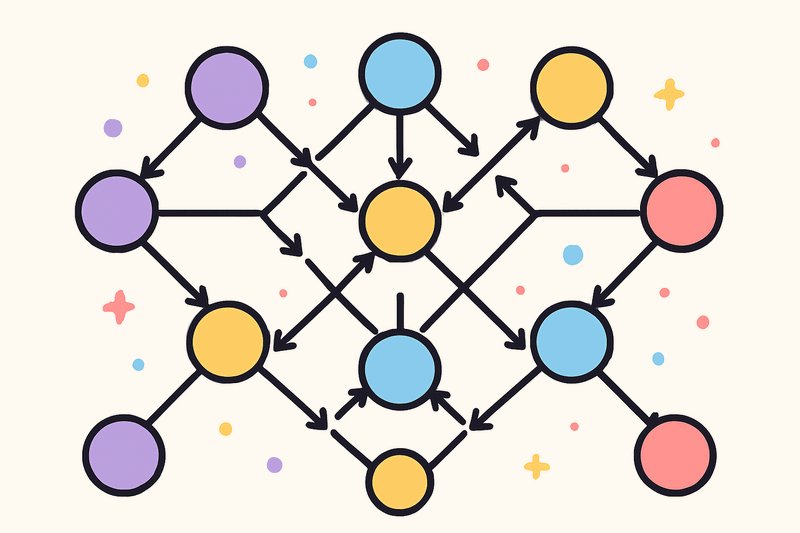
I realized that in consensus-driven cultures, the process IS the architecture. You cannot separate architecture design from architecture adoption. The collaborative process that builds consensus is not overhead - it is the implementation mechanism. Trying to shortcut it guarantees failure.
Polder Model Characteristics:
- Everyone's opinion genuinely matters
- Consensus required before implementation
- Slow decisions, but high adoption rates
- Process and implementation are inseparable
- Design for facilitation, not mandate

The Hierarchical Model Alternative
Not all organizations operate this way. In a conversation with a French enterprise architect colleague, I learned about a completely different organizational physics. We were comparing why Dutch architectural decisions take so long but have strong adoption, while his French organization made fast decisions that teams then resisted.
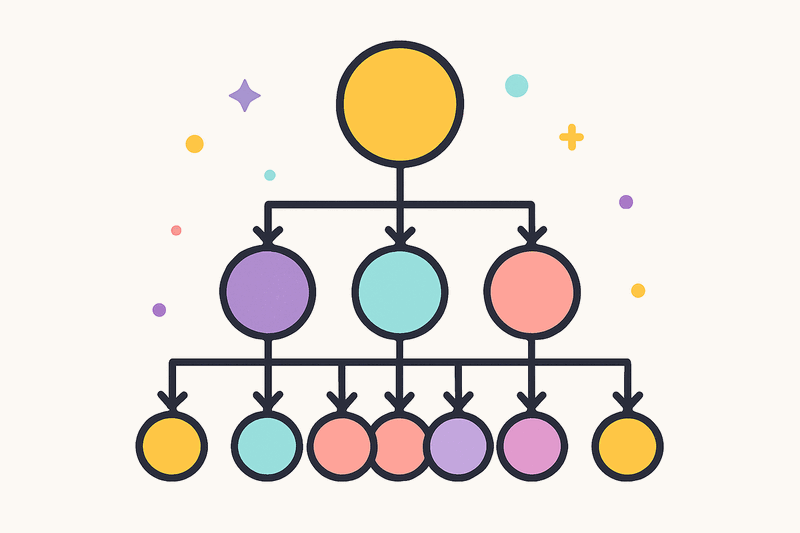
In his organization, the Chief Architect could mandate technology choices. When a decision was made, teams were expected to implement it. Clear hierarchy, defined authority, explicit accountability. This is the Hierarchical Model - organizational decision-making where designated authority figures can make binding decisions.
He was genuinely shocked when I explained that mandate does not exist in my organization. "How do you get anything done?" he asked. The answer: differently. Not faster, but with different failure modes. His organization had fast decisions with adoption problems. Mine had slow decisions with strong adoption.
Think of the Hierarchical Model like a centralized system architecture. Single point of authority, fast decisions, clear accountability. But vulnerable to that authority being wrong or unavailable, and requiring significant change management to ensure adoption.
Hierarchical Model Characteristics:
- Designated decision-makers with mandate
- Authority can override consensus
- Fast decisions, but adoption requires management
- Process precedes implementation
- Design for clarity and escalation
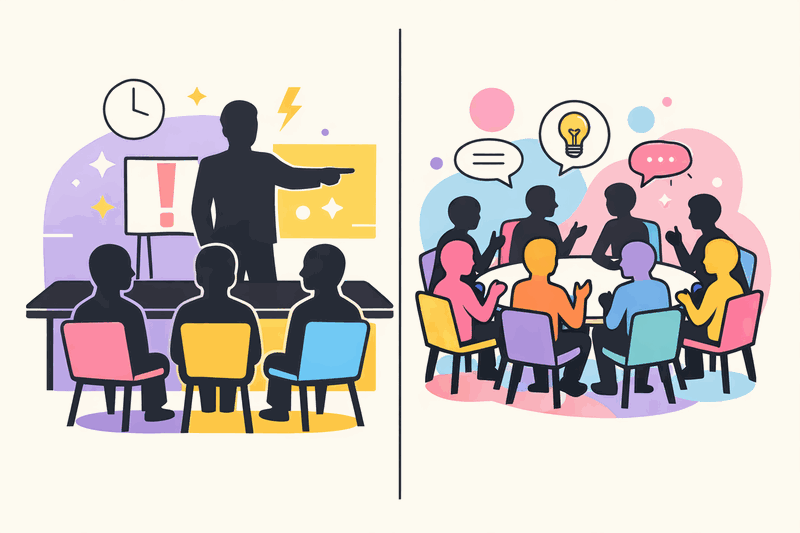
Neither model is superior. They have different trade-offs. The critical insight is recognizing which model you are operating in and designing your architectural approach accordingly. Applying hierarchical-style architecture in a consensus-driven context creates friction and failure.
Diagnosing Your Organizational Physics
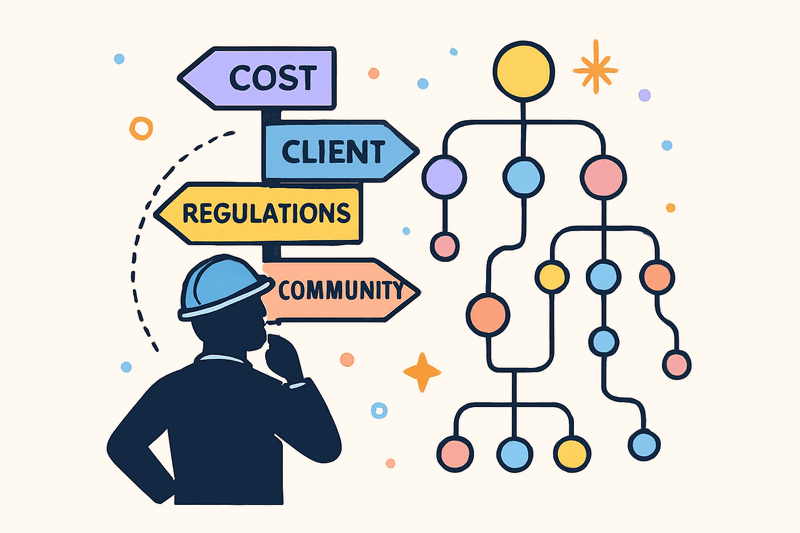
Before applying any architecture framework, you need to diagnose your organization's actual decision-making physics. This is what I call Organizational Physics - the underlying rules that govern how decisions actually get made and implemented, distinct from formal org charts and processes.
Here are three diagnostic questions that reveal your organization's true decision-making model:
Question 1: When a senior architect makes a decision, do teams actually follow it?
- Hierarchical: Yes, with possible resistance managed through change processes
- Polder: Only if teams were part of the decision-making process
Question 2: How are technology standards adopted - by mandate or by consensus?
- Hierarchical: Standards are announced and compliance is monitored
- Polder: Standards emerge from collaborative definition processes
Question 3: What happens when stakeholders disagree - escalation or extended discussion?
- Hierarchical: Clear escalation paths resolve conflicts through authority
- Polder: Extended discussion continues until consensus is reached
Most organizations are hybrid, but understanding the dominant pattern helps you calibrate your approach. In my experience, the diagnostic questions work across organizations and cultures. The pattern applies beyond the Netherlands to any consensus-driven culture, including Scandinavian countries and some Asian contexts.
Practical Adaptation Strategies
Once you have diagnosed your organizational physics, you can adapt your architectural approach accordingly.
For Polder Model Organizations:
- Design architecture governance as facilitated consensus-building
- Expect longer decision cycles but higher adoption rates
- Build proposals collaboratively rather than announcing them
- Invest time in stakeholder alignment before documentation
- Measure success by adoption, not decision speed
For Hierarchical Organizations:
- Design architecture governance with clear decision rights
- Define who can mandate what and establish escalation paths
- Expect fast decisions but invest in change management
- Document decisions clearly for implementation teams
- Measure success by decision quality and implementation speed
For Hybrid Organizations:
- Map which decisions use which model
- Develop competency in both facilitation and mandate
- Create clear criteria for when to use each approach
- Build relationships that work in both contexts
The key insight is that organizational culture is not just context - it is a design constraint. Just as you would not design a distributed database the same way you design a single-node database, architecture governance must match organizational topology.
Measuring Success in Different Models
Success metrics differ significantly between organizational models:
Polder Model Success Indicators:
- Technology standard decisions took 6-8 weeks versus 1-2 weeks in hierarchical organizations
- Near-100% adoption once consensus was achieved
- Zero enforcement effort required post-decision
- High stakeholder satisfaction with process
Hierarchical Model Success Indicators:
- Fast decision cycles (1-2 weeks for technology standards)
- Clear accountability and escalation when needed
- Approximately 60% initial adoption with change management support
- Ongoing compliance monitoring required
Neither set of metrics is better - they reflect different organizational trade-offs. The mistake is applying hierarchical metrics to consensus organizations or vice versa.
Conclusion
The same architecture pattern that succeeds in a hierarchical organization will fail in a consensus-driven one - not because the pattern is wrong, but because organizational culture is an architectural constraint you cannot ignore.
Understanding your organization's decision-making physics - whether Polder Model, Hierarchical Model, or hybrid - is essential for architectural success. The diagnostic questions I have shared help you identify which model you are working within, and the adaptation strategies ensure your architecture actually lands.
Think of the last architecture decision that failed to land in your organization. Ask yourself: "Did I assume mandate existed when it did not?" or "Did I try to build consensus in an organization that wanted decisive leadership?" Identifying the mismatch is the first step toward architectural approaches that work with your organizational reality, not against it.
The frameworks exist. The patterns are proven. The missing piece is often understanding the organizational physics that determine whether any framework can succeed in your specific context.
Resources
Watch the video for the personal stories behind this framework: https://www.youtube.com/watch?v=1wZwtzNiruE
What decision-making model does your organization actually use? Consensus, hierarchical, or hybrid?